
Find the pits on the 1913 map
Start at the High Street. To the west, Nos. 7 and 8 stood side by side near today's leisure centre. Further west, towards Cross Keys, Kirkford Pit was also called No. 10. Mossbeath lay to the south-west. Across the High Street, on the eastern side of town, were Foulford and the Dora. The railway branches on the map show how the wagons reached them.
Open the six-inch Ordnance Survey map, revised 1913 See the eastern pits on the larger-scale OS sheetIronstone near Foulford, about 1850
Fordell already had a coal trade when the Oakley Iron Company sank shafts for ironstone near Foulford. The company had blast furnaces at Oakley. Here its men found coal seams nearer the surface than the dip of the beds at Fordell had led people to expect.
Robert Holman collected local accounts for the burgh's jubilee history in 1941. He described two shallow pits near Jubilee Park. Small wagons took their coal to the High Street, where carters collected it for customers or took it down to the docks at Burntisland. By the time No. 3 was working, trains carried coal for export.
Who worked which pit in 1896?
The Fife Coal Company took over the Cowdenbeath Coal Company in 1896. That year's mines inspector counted 638 people underground and 195 on the surface under the heading Cowdenbeath. He gave No. 10 a separate entry. Its crew of 49 were still sinking the shaft at Kirkford.
Little Raith belonged to a different firm, the Lochgelly Iron and Coal Company. It employed 338 underground and 88 above ground. The firm built houses for its workers on Arthur Street and Arthur Place. Other Cowdenbeath households drew their wages from Donibristle, a colliery outside the town.
Lessons, rescue work and repairs
A mines rescue station opened on Stenhouse Street in 1910. When a Canadian commission visited the town's mining school the following year, it found evening classes for working colliery managers, including a course on testing the air underground. From 1924 the Fife Coal Company's Central Workshops brought engines and wagons into town for repair.
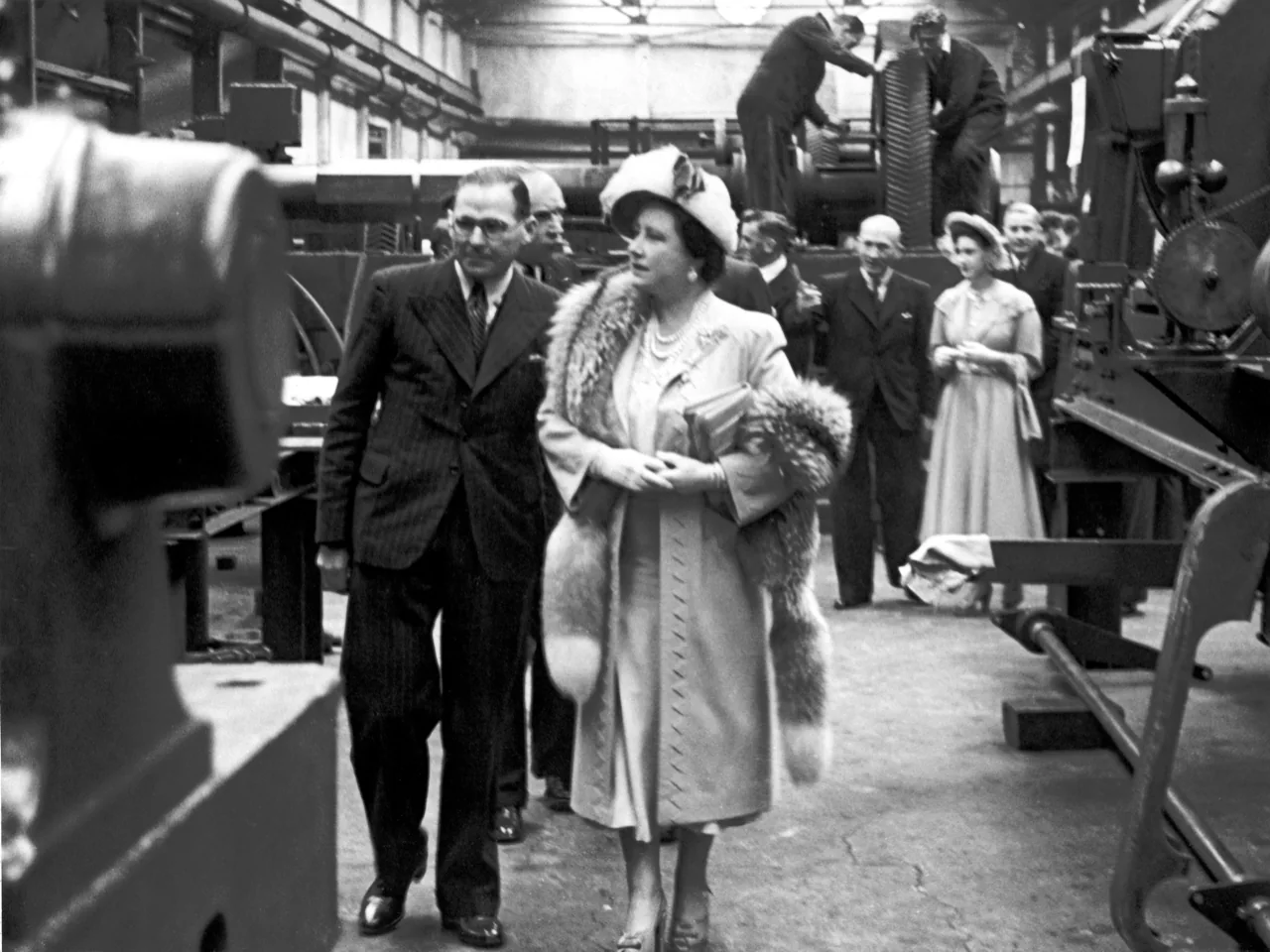
A brass plaque marked the royal visit to the Workshops in 1948. For years it stood outside the canteen. Today you can see it in the cairn at the old gates in Seco Place.
Closing the deep pits
The National Coal Board took over the mines in 1947. In November 1956 the Dora still employed 262 people and No. 7 employed 421. The Dora closed in February 1959. No. 7 followed in January 1960. The closures continued across the district, reaching the Aitken at Kelty in March 1963.
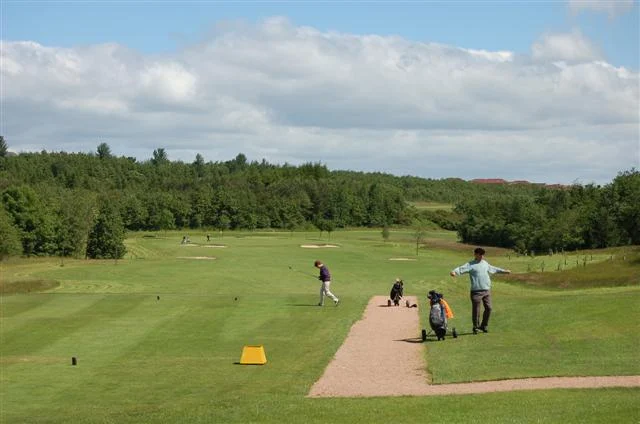
Coal still came out of the ground at Cowdenbeath. In Coal on the Doorstep, filmed around 1974, local people argued over a new opencast mine. This time the excavation took place in the open air. At the old Dora site the next major earthworks made a golf course. Its first nine holes opened in 1991.
Where the men went for their shifts
By the miners' strike of 1984 and 1985, men from central Fife travelled to the coastal collieries at Seafield and Frances. The local strike headquarters and support group stayed in Cowdenbeath. Carol Ross convened the town's women's strike committee. Her husband Robert, known as Rosco, was an engineer and a union delegate at the National Coal Board workshops in town.